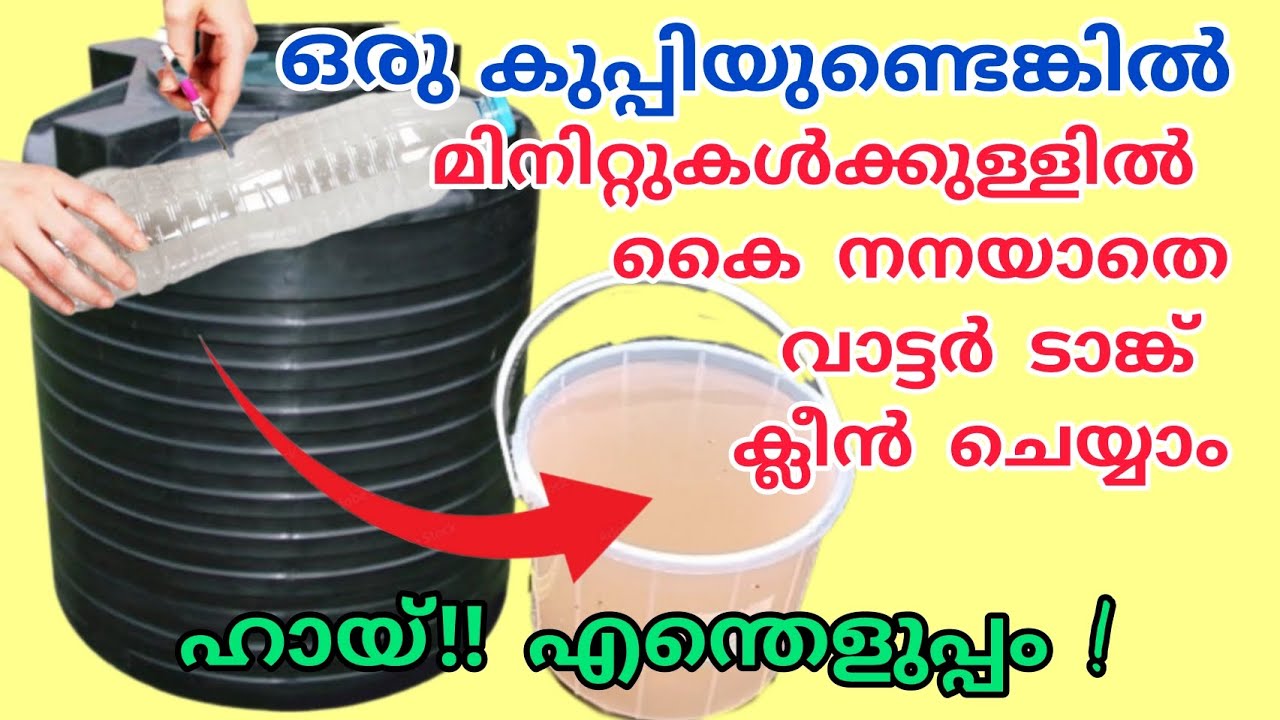
Maintaining a clean water tank is essential for preventing the buildup of sediment, algae, and harmful bacteria like Legionella or E. coli. Over time, even treated city water can leave deposits that compromise your plumbing and health.
Pro-Tips for Maintenance:
-
Frequency: Clean your tank at least once every 6 months.
-
Check the Lid: Ensure the cover is airtight to prevent mosquitoes, dust, and sunlight (which triggers algae growth) from entering.
-
Filter Installation: Consider a pre-filter on your inlet pipe to catch sand and silt before they enter the tank.
1. Drain the Tank
Start by closing the inlet valve and opening the outlet valve or a wash-out plug to empty the tank. If you have a discharge pump, use it to remove the remaining water from the bottom.
2. Scrubbing and Sludge Removal
Once empty, the walls and floor must be scrubbed to remove “biofilm” (the slimy layer) and scale.
-
Manual Scrubbing: Use a stiff brush or a high-pressure jet cleaner.
-
Vacuuming: Use a wet-dry vacuum to suck out the dirty sludge and settled debris from the floor.
3. Disinfection (Chlorination)
Cleaning alone isn’t enough; you must sanitize. The most common method is using liquid bleach (Sodium Hypochlorite).
-
The Mix: Aim for a concentration of 50ppm (parts per million) of chlorine.
-
The Process: Fill the tank partially, add the bleach, and then fill it to the top. Let it sit for at least 2 to 4 hours.
-
Flush the Pipes: Open all taps in your house until you smell chlorine, then close them. This ensures the pipes are disinfected too.
4. Final Rinse
Drain the chlorinated water completely (be careful where you drain it, as high chlorine can kill grass or plants). Refill the tank with fresh water and flush the taps again until the chlorine smell disappears.