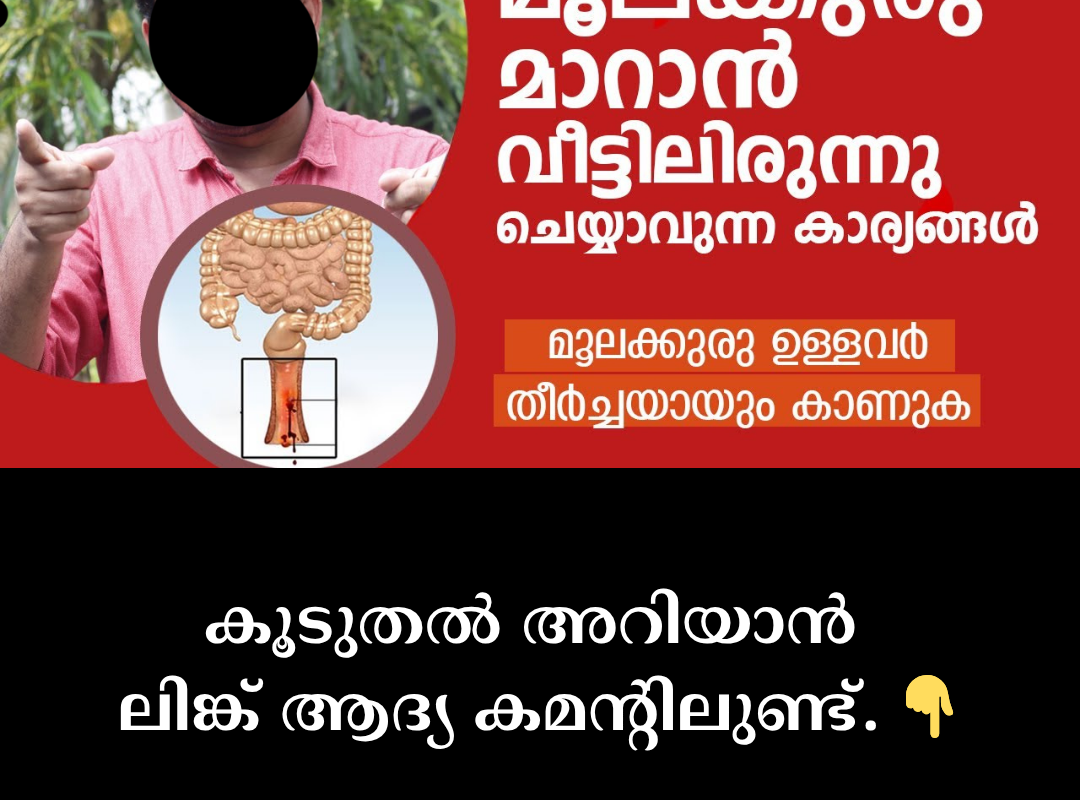
Main reasons for piles
Excessive straining during defecation:
Excessive straining during defecation due to constipation puts pressure on the blood vessels in the anus. This causes the blood vessels to swell (hemorrhoidal cushions).
Chronic Constipation:
Eating a low-fiber diet and drinking less water causes the stool to become thick. When the thick stool passes through the anus, it rubs and injures the blood vessels.
Prolonged sitting:
Sitting on the toilet for a long time and sitting for hours looking at the mobile phone creates a blockage in the blood flow in the anus and causes the blood vessels to swell.
Pregnancy:
The growing uterus during pregnancy puts pressure on the blood vessels in the pelvic area. This causes piles in many women.
Overweight and lifestyle:
Excessive weight increases abdominal pressure. Similarly, a sedentary lifestyle also increases the risk of piles.
Age and genetic factors:
As you age, the muscles in the anus become weaker. Similarly, people with a family history of piles are more likely to get them.
Symptoms:
Painless bleeding during bowel movements (especially bright red).
Discomfort and itching in the anus.
Feeling a lump or lump outside the anus.
Prevention methods:
Fiber Diet: Include plenty of vegetables, fruits, and whole grains.
Drink plenty of water: Drinking at least 2-3 liters of water a day will help soften the stool.
Timely bowel movements: Holding in stool can cause constipation.
Sitz Bath: Sitting in warm water for 10-15 minutes daily can help reduce pain and swelling.