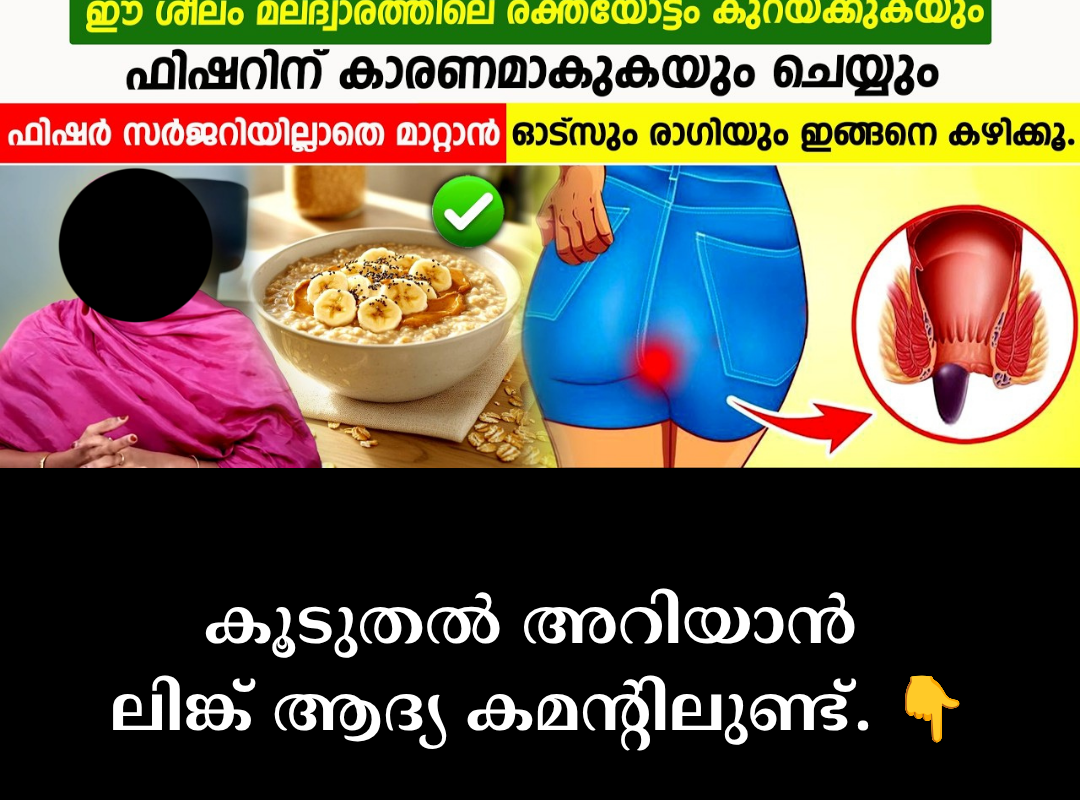
Reasons for Anal Fissure
Chronic Constipation: This is the most important cause of fissures. The stool expelled due to constipation is hard. When it comes out through the anus, it rubs against the soft skin there and causes large cracks.
Excessive straining and immersion (Straining during Bowel Movements): Excessive immersion during bowel movements puts a lot of pressure on the muscles of the anus. This pressure causes the skin to tear.
Chronic Diarrhea: Fissures can also occur in people with chronic diarrhea or dysentery. The continuous moisture in the anal area and the acidic nature of the stool weakens the skin in that area and causes cracks.
Anal Sphincter Spasm: Hypertonia (tightness) of the muscles that control the anus (anal sphincter) can cause fissures. This reduces blood flow there and prevents the cracks from drying out.
Stress during childbirth: Fissures are more likely to occur in pregnant and postpartum women. This is due to the severe muscle strain that occurs during childbirth.
Other health problems: Intestinal diseases such as Crohn’s disease and some sexually transmitted diseases can also cause fissures.
Practical ways to cure fissures and reduce pain:
Drink plenty of water: Drink about 3 liters of water daily to soften the stool.
High Fiber Diet: Including fruits, vegetables, and whole grains in your diet can help prevent constipation.
Sitz Bath: Fill a tub with warm water and soak your anus for 10-15 minutes. This will help reduce pain and relax the muscles.
Proper bowel habits: Try to go as soon as you feel the urge to have a bowel movement. Avoid soaking too much.