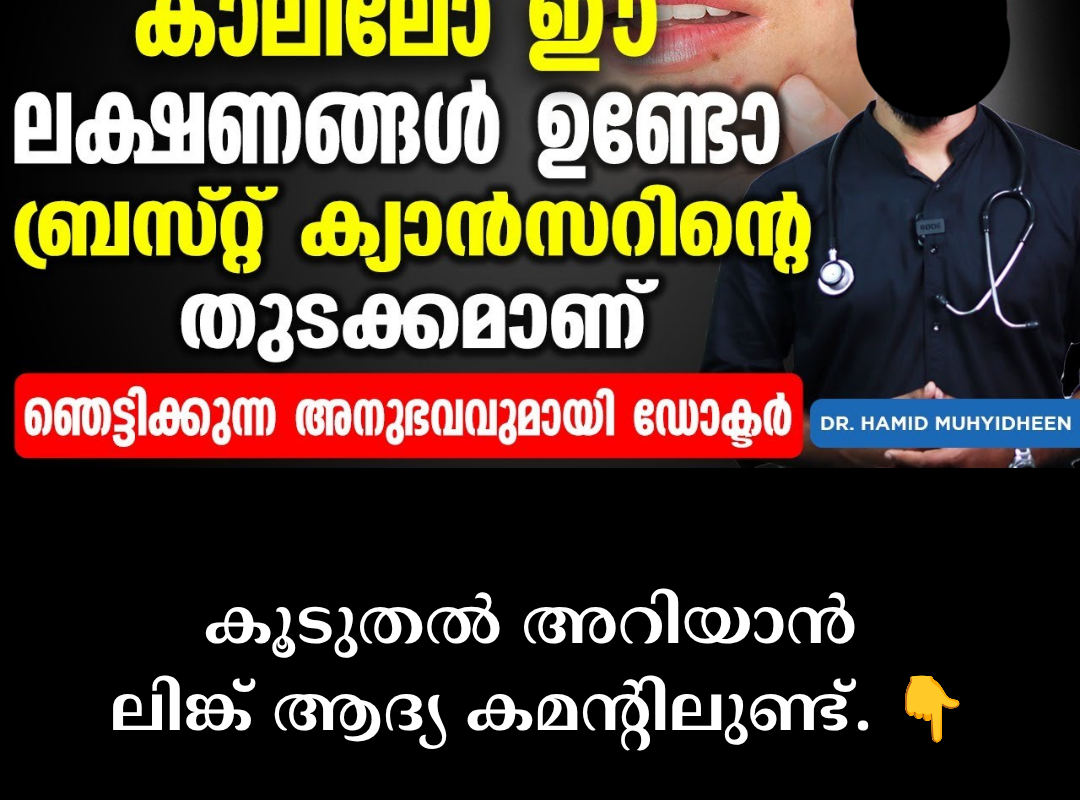
Although it is not possible to say exactly why cancer occurs, some things increase the risk:
Genetic factors: If close relatives in the family (mother, sister) have had breast cancer, the risk is higher.
Hormonal changes: Early menstruation, late menopause, and infertility treatments can increase the risk in some people.
https://youtu.be/jwtjSojd7rc
Lifestyle: Excessive alcohol consumption, obesity, and lack of exercise increase the risk.
Age: The risk of developing cancer increases with age.
Early Signs
If the disease is detected early, it can be completely cured. See a doctor immediately if you notice the following symptoms:
Lumps: You may feel a painless lump in the breast or armpit. This can often feel like a small lump.
Change in breast shape or size: A sudden difference in size or shape between the two breasts.
Skin changes: The skin of the breast may become dimpled or wrinkled like an orange peel.
https://youtu.be/jwtjSojd7rc
Nipple changes: Inverted nipple, blood or other fluid coming from the nipple.
Persistent pain: Unremitting breast discomfort or pain.
What is the solution? (Early Detection)
Breast Self-Examination: Women should make it a habit to examine their breasts once a month. If you notice any changes, you should see a doctor immediately.
Clinical examination: Those over the age of 40 should see a doctor once a year and undergo the necessary tests.
Mammogram: Having a mammogram at regular intervals at the age recommended by the doctor can help detect cancer in its early stages.